
Reimagining Obit.
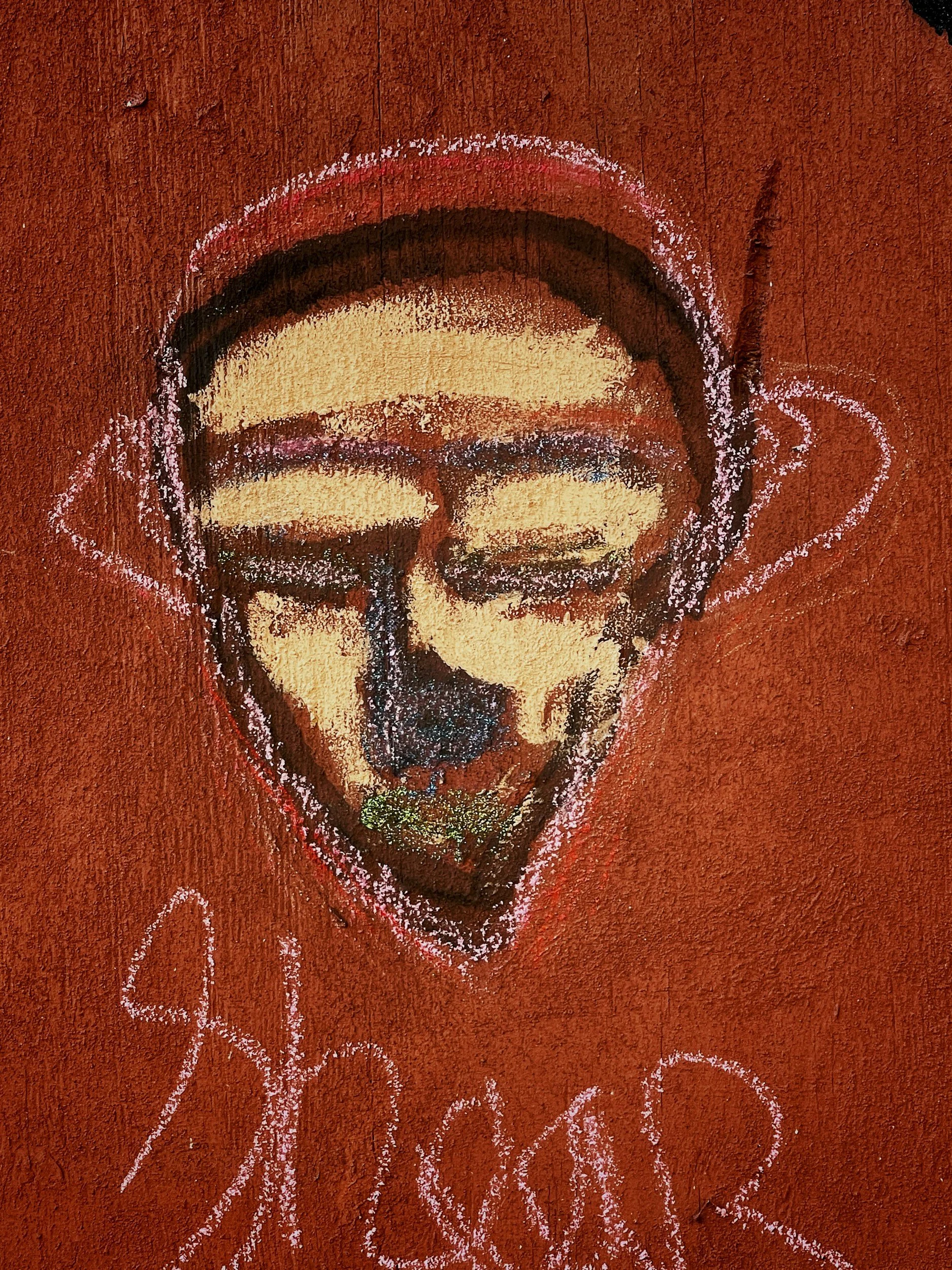
Art by Jon Tyson on Unsplash.
-After Victoria Chang
Chang elegizes every part of herself that once lived in a book like Gray’s epitaph, and I cannot fault her for that. It is better to tell your story yourself than to have a stranger sum it up in few words that fall short of what is, far from what is. Words that make up a generic story with fragmented plots. No. It is better to do the honors. And I reckon I should do the same. Say: “my spirits died in the third month of the year/ unwillingly—like a candle placed before a ventilator.” So you know I tried. That I cupped the flickering flame in my palm. That it died still. Because there’s little the jib can do when the ship is caught in the ocean’s rage. But perhaps I should not give up on the dead so quickly. I should emulate the disciples and linger at the tomb. Just last week, I spotted a scion sprouting off a fallen tree, after the rain. A miracle possible because the branch stayed close to the soil. Yes, Chang accepted hers as dead, so she wrote Obit. But I’ll wait to see what comes next. Even pray, should I become the prophet of my own destruction. I’ll gamble the little ounce of hope left to see if life may spring out of this death again.

Art by ActionVance on Unsplash.
Ars Poetica for the Stumbler.
This world is a vast ward
brimming with the undiagnosed.
each seeking relief in
[G/g]od(s), songs,
pills, nicotine
& whatever dulls the ache.
& here I am:
a poor lad with utopia
nestled in the head,
rummaging fissures
wide enough to teleport
out of this labyrinth.
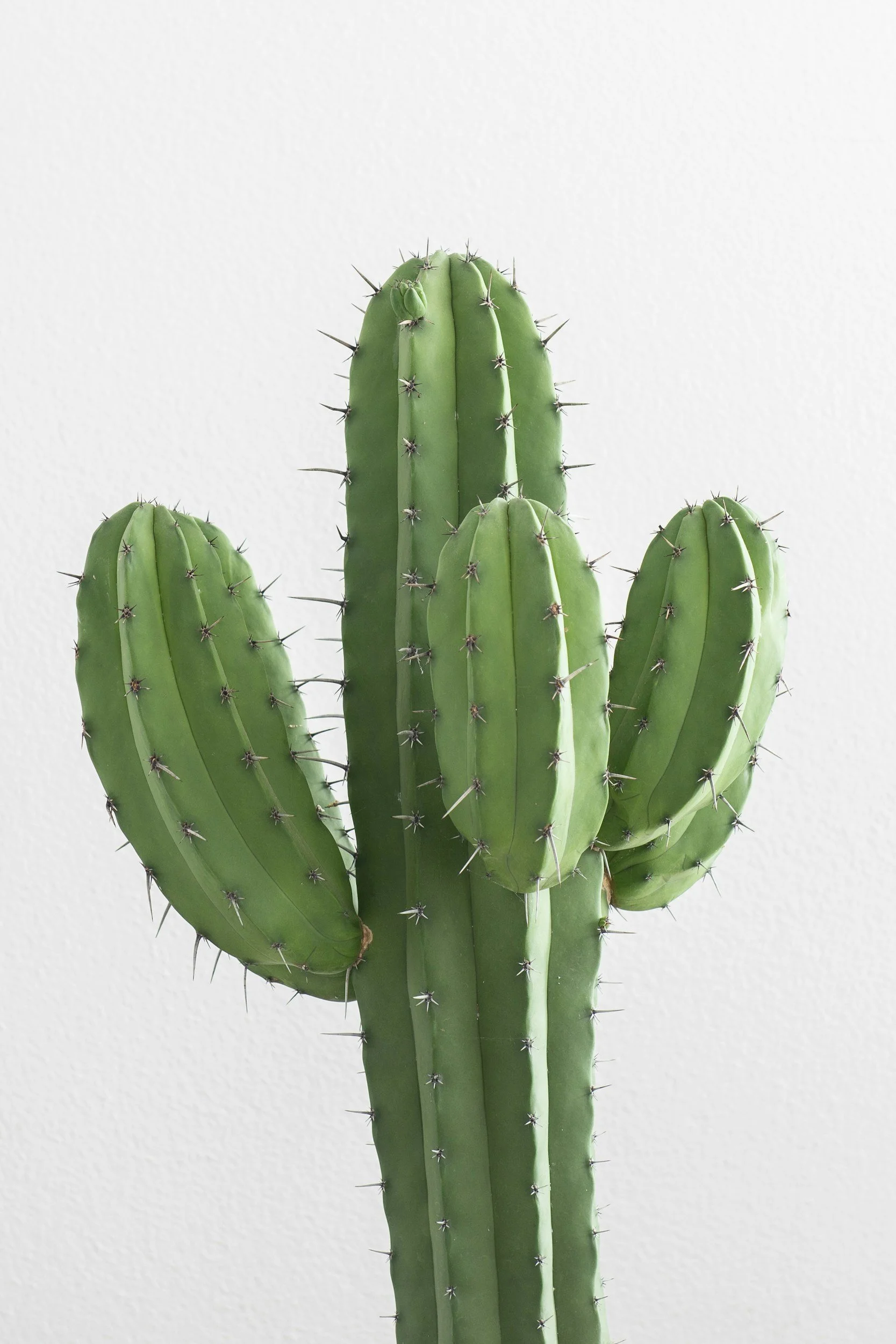
Photo by Alex Furgiuele on Unsplash.
Cactus.
Oh brother, when they come,
with the state counsel’s cunning,
querying your slivered bond with the world,
or your heart thrumming life like
it’s the only rhythm it could play,
you show them how your body mastered
the art of indifference to stimuli
& does not crouch, like the hydrangea,
to meet the pavement for foothold
because you are a cactus:
taut mutant with spines for leaves,
who has found grace in passing currents
& sunk root deep to become one with the arid
like mother and fetus.
Art by Nilson Junior on Unsplash.
Palliation
i.
You can tell I pilgrimage this Bethesda often
the way I walk its bleached-white corridors,
past dog-eared posters, wheezing air
thick with saline & whispered supplications.
& so is the woman girl with the issue of
blood spleen.
& the septuagenarian wheeled into the translucent ward.
[selah]
ii.
You can tell we keep returning here
because the healing never suffices—
because the pain is waived only for a moment.
& our veins grow faint from
continuous communion with the syringe.
[selah]
iii.
You can tell there are greater wounds outside these walls:
in the North, wanton rifles seize villages for sport.
& the statesman responds with rice bags,
like hunger is what the rifles leave behind.
so, the lore continues:
pellets still raining after wailings subside,
bodies harvested into mass graves,
infirmities rushing back like boomerangs again & again.
[selah]
iv.
You can tell we’d ransom anything for salvation.
to unlearn the language of pain that competes
fluency with our mother tongue.
& live—without eyes darting over shoulders,
till time bids us home.
[selah]
Art by Malena Gonzalez Serena on Unsplash.
Purgation.
On a grey afternoon in spring, when heaven eased its bowels,
trickling upon earth, I learn the art of purgation:
creased leaves on peeling branches
slipping malady & dust earthwards.
restless wagtails descending by the puddle
for a bath on the field.
petrichor-scented breeze humming an eolian tune,
as if to say: be unspooled from this indignation,
make peace with the universe
& embrace weightlessness.
as if to say: lower your index & save yourself
from the curling verdict of three more fingers.
as if to say: leave your grief at Sheol
& start out for new horizons like the wagtails.
