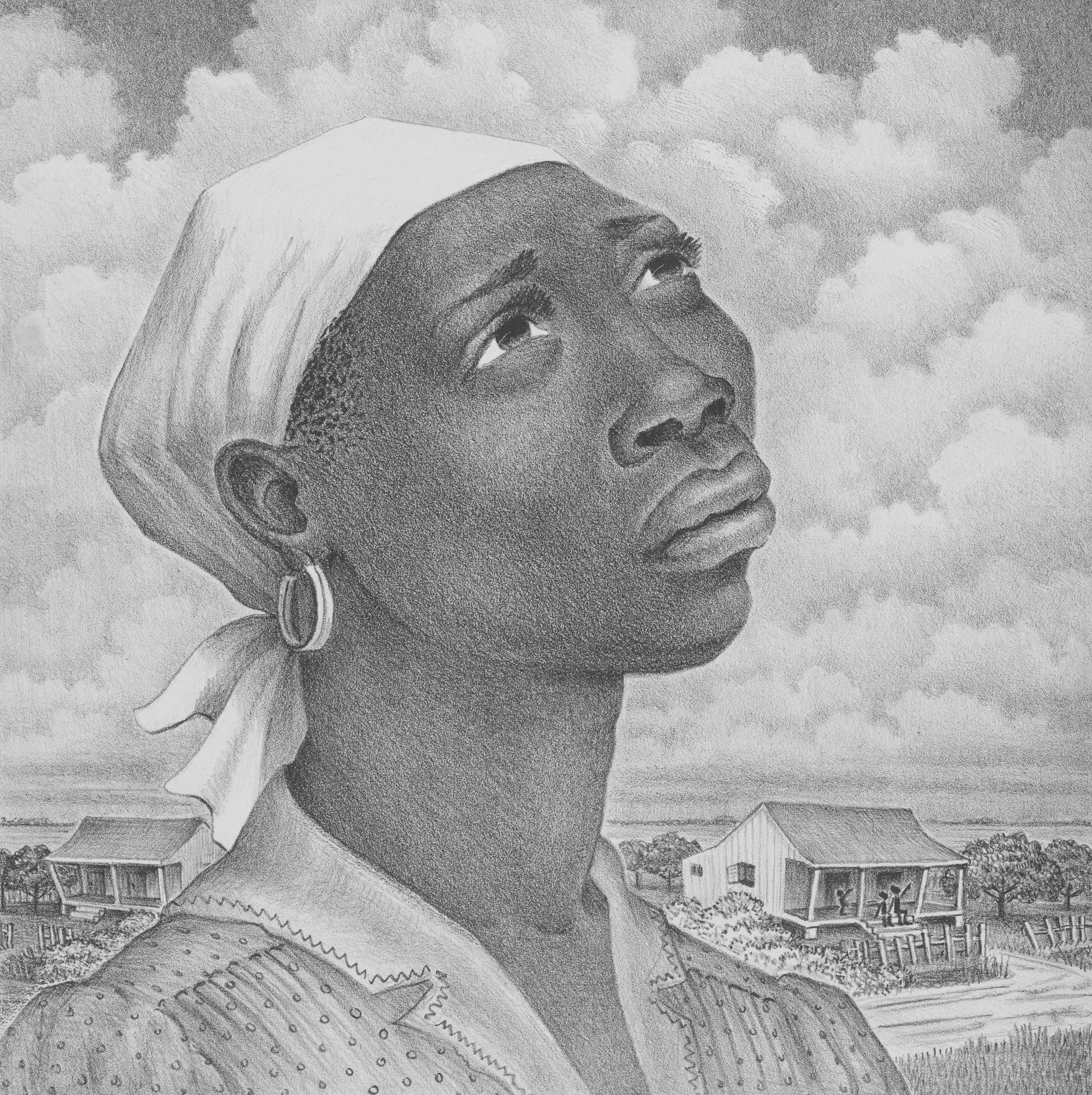
Art from the New York Public Library on Unsplash.
On Sundays, when Chika would crawl under the heavy steps at the parish, squinting to keep cement crumbs from falling into her eyes as she squeezed through, the sounds outside would blur into nothingness, like the feeling of water in her ears.
The floor was rough, made of unplastered concrete that scraped against her clothes. She would slide her small frame into the narrow, triangular gap and wait for the next random boy to come by. While she waited, she would suck on the stillness of a Baba Blue sweet, the sharp, medicinal menthol hitting the back of her throat and making her eyes water.
She would smile at the thought that Aunt Chiazo’s church offered her the permission of non-solemnity. It wasn’t the Pentecostal church at the corner of her street which her family religiously attended back home, where the pastor would scream about hellfire, sweat soaking his polyester suit as his eyes locked onto hers. This parish was different; it was large and completely unfamiliar. Here, in the shadows of the concrete stairs, she felt invisible.
Yet she did not want to remain unseen. When the boy would finally squeeze in beside her – whether Tunde with the chipped tooth or a boy whose name she didn’t even know – she would brighten. The Baba Blue allowed her to press her lips against his chapped ones, nuzzling closer as the cool scent of mint lingered between them.
Under the stairs, the rough stone would bite into her skin. The heat radiating from the boy’s Sunday shirt would be unbearable, thick and damp. He would smell unfamiliar, with an otherness about him. Sensing this, she would press her body even closer, almost violently, as if to bridge that gap, as if to immerse herself into his world and him into hers for the length of a single kiss.
Aunt Chiazo’s parish allowed her to keep her eyes wide open. While the rest of the congregation bowed their heads and wept during the prayers, Chika would look around and stare at the peeling wall-paintings of the disciples, rating their handsomeness. She would chew gum constantly, stealthily pressing the sticky wads onto the handlebars of the wooden chairs, organizing them carefully by color.
Sometimes, though, the armor of her irreverence wore thin, and so on other days, Chika would sit in the rear pews and watch the teenage girls in their to-match choir skirts moving in unison. A sharp, bitter envy would twist her stomach. She would wish she were up on that stage, wrapped in the safety of belonging. She would wish Aunt Chiazo would notice her enough to pull her ears and say what the other mothers said: "Father is watching."
But Chika assumed Father didn't care.
On the days Sister Bonafide arranged the children for the annual harvest season, the others would chatter in loud, excited voices, competing over who would carry the heaviest load of yams to the priest's residence, while Chika sat solemnly on the edge of her seat, her shiny patent-leather shoes clicking against each other, saying nothing. The parish Father didn’t seem like her father; her mouth would feel heavy, completely unwilling to join the other children in saying our father this and our father that.
There was a very thin line between the Father of Aunt Chiazo’s parish and Chika’s own biological father, a line she had since come to see as completely non-existent. There was a profound disconnection she felt to both of them, a strange, hollow space that felt almost exactly like the one she felt toward the boys she kissed under the stairs.
When the parish Father did his rounds, he would stop briefly in front of her. He would reach out a large, manicured hand, rub her head absentmindedly, and compliment her shiny shoes. Then, before she could even look up into his eyes, he would move immediately to the next child, repeating the same exact compliment, word for word.
For her own father, the feeling was identical. Whenever he surfaced in her life, she always felt like a puppy dawdling below a stranger who had paused on the street to pat her head. He would caress her hair, look down at her with a polite, distant smile, and ask her name and class, as if trying to simulate some kind of relationship. But there was no recognition behind it. He was soon on his way, leaving her standing in the dust of his departure.
Left outside of everyone’s attention, Chika would retreat back into the stifling heat of the sanctuary. At the end of the children's service, Chika would find Aunt Chiazo sitting in her usual spot. Aunt Chiazo was sharp and rigid, always looking like a portrait where the background of the bustling congregation sank into a complete blur.
Aunt Chiazo always prayed like the act of communication with God was a deeply uncomfortable, agonizing physical chore, her chest rising and falling violently, her face contorting in a grimace of spiritual warfare. Chika imagined what it must feel like to belong to something so completely that it could take over one's balance and tongue.
Watching her aunt writhe in the pew, Chika would stare at the heavy, textured lace of the older woman's Sunday outfit. Chika imagined the thick, starched fabric scratching mercilessly across her own soft skin. The thought would turn vivid and terrifying in her mind. She would shut her eyes tightly, trying frantically to avoid the mental image of her own flesh peeling away under the friction of the holy lace, exposing the raw, pink flesh beneath.
She would sit perfectly still in the suffocating heat, teeth clenched, waiting for the final Amen to set her free.