Boy.
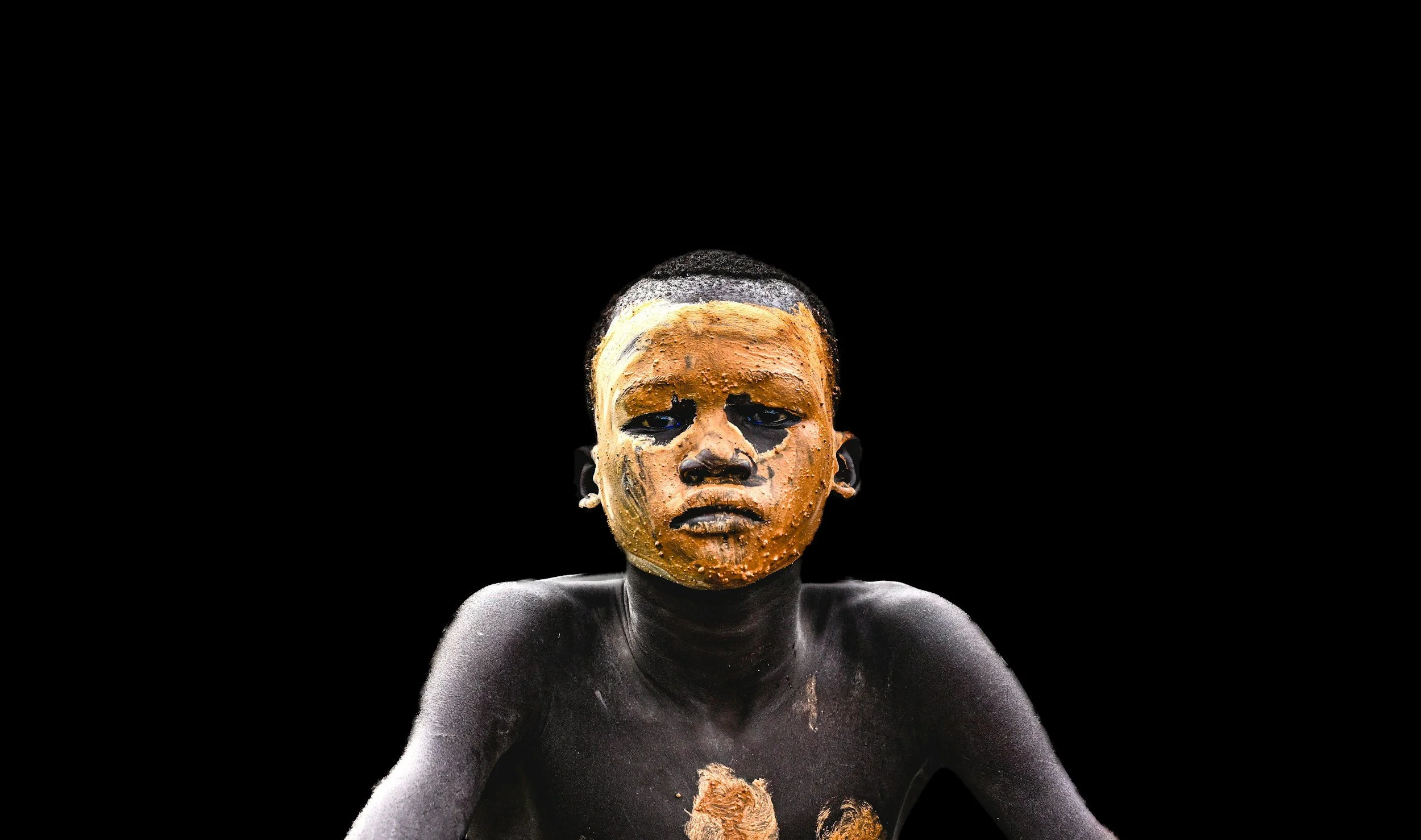
Photo by Ken Levitan on Unsplash.
It is evening. Boy is done washing the plates for Nwanyi Bende. The residue of foamy water itches his skin. It must be acid from the yam peels rinsed off the blade he had been washing. He bends the yellow gallon; water escapes into the white container. He is weary, and his grip is loose. The gallon slips and the water coughs out like a flailing hose. The noise awakens Nwanyi Bende, who is almost dozing off in her chair from the lack of customers. She sees the water spilling and raises her voice in curses at Boy.
“Bia, this useless boy? What has my water keg done to you?”
“I wanted to rinse my hand, the soap water is itchy,” Boy says.
“Water that I will use and sell for my customers, you are wasting on your hand? May dogs lick your eyes!” she curses. “You can wash your hands for your mama house. Dey go, collect.”
She offers Boy a few naira notes for the work he has done. Boy’s lips are sealed, but in his mind, he is thinking she would probably end up not using the water because she is doomed not to be patronized by anyone tonight. She has chased out all her customers with her bad mouth, he thinks, and is now heaping the anger on him. He waits at the curbside for the traffic to slow down. He rushes to the other side of the street, down the lane of Danfodio Road, to meet Oga Iron, whom he had sold a bag of scrap in the early hours of the day.
Danfodio road stretches into the distance with more darkness than the bulb-lit areas he had just left. Strays had decapitated the streetlights, paneling the metals away in theft. Now, only the low lights from the roadside kiosks lit the darkness. Walking past, the strong whiff from cigarettes filters into his nostrils, settling inside him with nausea. The smokers are the hollow youths reclining like shadows against the walls. He knew some of them, especially his mates, whose faces he could make out in the dark. He watched them whenever he came to barter scrap with Oga Iron, but never spoke to them because even though life had pushed him to these hoods, he knew he did not belong. He could not relate to their crazyspeak but he was fascinated by it. He loved listening to them because he knew that if he became an established writer someday, he would write stories about people like them. He had never read about lives like theirs in all the books he had spent time reading at the city library.
The closest he can identify with them is Charles Dickens’ Oliver Twist, but the book painted the life of Londoners. All the suffering of his life was indicative of one thing: to understand the conditions of these people and become the precursor to their liberation by writing stories that represent them. It was the thing he slept all night thinking about, his destiny.
Oga Iron is seated on a chair, with a radio balanced on his hands to his ears. Below him, someone clips his toenails with the fiery light of a led lantern. The click-clack sounds of the nail-cutter digging into the nooks of Oga Iron’s monstrous toes make Boy wonder if the person could even see what he is doing very well. He concludes that it’s because he is a professional, and thinks about how much this person must have made today and how many toenails he must have clipped.
“Good evening, Chairman,” Boy greets.
“Ah, Aboy my man, keekwanu, which one happened last?” Oga Iron ask.
“Nothing much sah. I dey go home now. I come collect money.”
“Ehen, how much we calculate sef, 3k shebi?”
“Yes, but you fit add small thing my boss,” Boy replies, smiling at him.
Oga Iron fumbles a bundle of one thousand naira notes from his pockets, slips out four pieces, and hands them to Boy. Boy thanks him profusely, his yellowy teeth glinting in the darkness. His journey home continues after his show of gratitude. It was why he liked bringing scrap to Oga Iron; he was kind-hearted and easy to work with, not like other scrap dealers that loved owing people, especially small boys who they believed they could play with. Boy counts his money with the light beaming from the nearby restaurant by the express. He is happy his money for the exam form is complete. It was the pre-college exams required for every aspiring college student in the country. He did not want to perturb his mother for the money especially since he knew that after he gained admission, they would have a lot to cater for. He hoped for providence and luck to shine his way so he could secure any kind of scholarship. For now, his aim is the best score in the exams, maybe the best in the whole country. If he achieves this he would be guaranteed scholarship.
He waives down a tricycle heading to Obohia. He pleads with the rider to allow him sit at the edge on his left for a minimal fee. The rider agrees and as Boy enters he zooms off. The air of the city rushes against Boy with the speed of the tricycle. It has been a good week, maybe the best in a long time. A full moon hangs lonely in the night sky. He plans to read Daniel Defoe’s Robinson Crusoe when he gets home. His mother must have made fresh soup.