To Itohan, from Kirikiri.
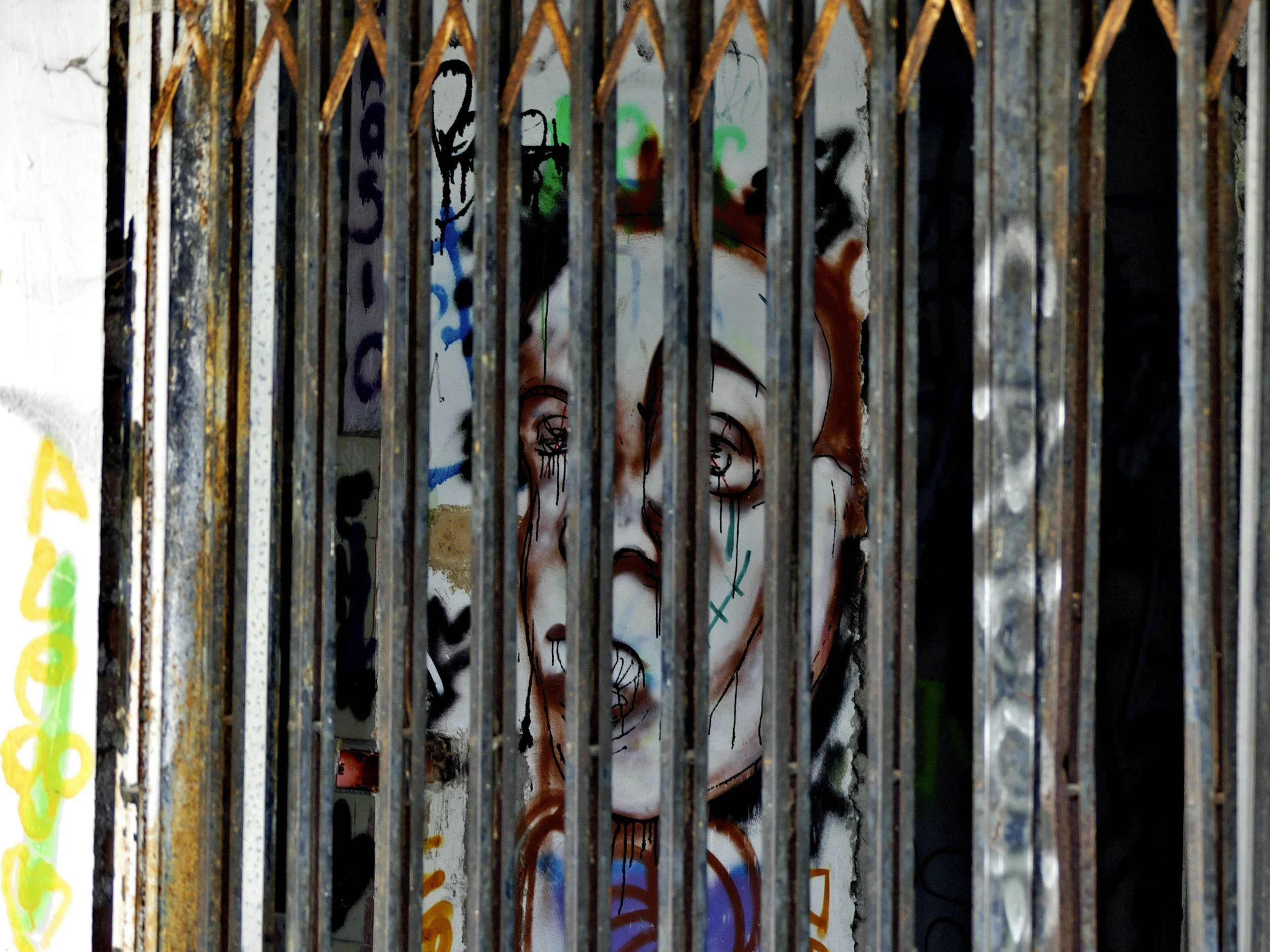
Photo by Marco Dona on Unsplash.
This morning, another tray of stale oatmeal is shoved into the hatch, leftovers from yesterday’s leftovers. The hollow in my mouth, frostbitten like a prayer earthbound. Three cockroaches, the size of the warden’s raincoat buttons, scurry through a tiny hole in my cell, tug for breadcrumbs and search for little things that unmake me. Watch inmate faces collapse into a black hole of longing, consecrate the mornings with blood and broken noses. And sing with voices stripped naked of their lilt garments. I imagine joining the band, crossing waters till we are lost at sea. Instead, I choose to remember you. Your eyes. Before they ran out of tears. Before you gripped my collar, steered me away from the mirror. Before I saw your hands through the stained glass, leaking like split pomegranate. Before this, we were lovers, our memories escaping into a flat sigh. Once, we were at a cafe down Allen Avenue. The sky, brewing inside its grey mystery. You told me how much you hate the rain, how it ruins the earth, makes a mess out of Lagos. Filth. Potholes. Mud. You were gulping a glass of water, and I wondered if you knew man was seventy percent rain. I only tell you, sometimes, we are what we despise. Itohan. I want to call this red thing on your face Rose, but this thing bleeds. Look, nothing is more evident than your scars. And the little lanterns inside your chest forgetting how to shimmer. The inmates keep drowning inside their sullen songs. Still, thoughts of you keep despair at bay. Like the man in the lower block, staring at a soup-stained photograph of his wife. She once visited him with kids that do not have his eyes. Yet no one, not even the gods, would dissever a man in love with a woman in love with her darkness. Through the wall-clock-sized window, I watch the warring sun climb the shoulders of a nearby mountain, gash my face with its first blade of light. Cold metal clamps clanking between my legs. A saintly calm seeps into my pores and settles quietly inside my bones. In a beer parlour, Fela Kuti’s Lady keeps playing for what seems forever. I consider the music’s freedom in filling the air. I consider, too, the green pigeon in the open cage by the corner refusing to fly. Because iron bars did not make prisons. Because I am here. There. Everywhere you aren’t.
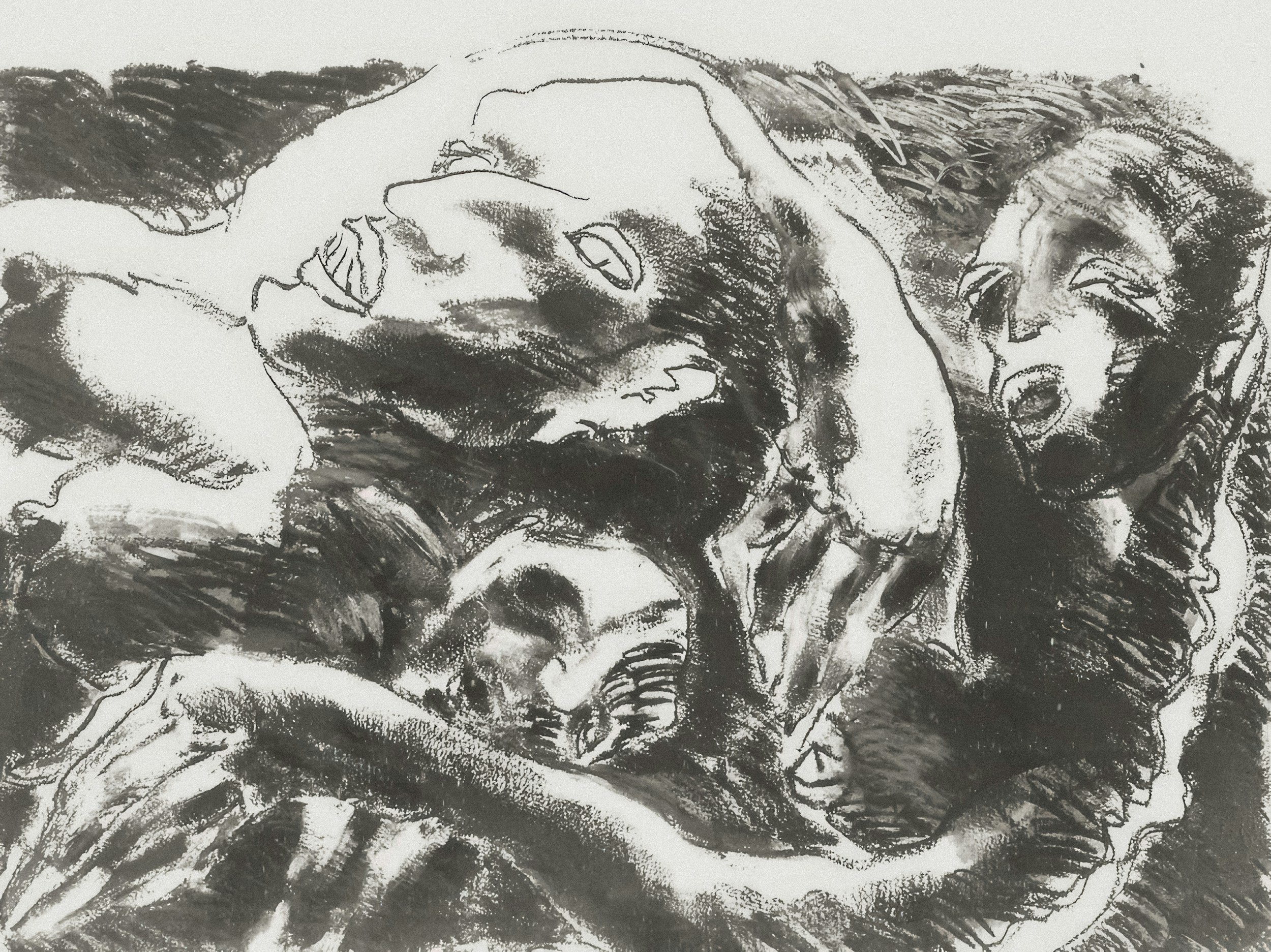
Art by Wiki Sinaloa on Unsplash.
II. Ajedrez.
Sometimes the night is a mad man pacing the rooftops of a psych ward.
the next morning, I am studying a new opening, my pieces small,
black figurines of chaos, then the bandits decide
to gambit our houses. There is no victory
for a city sacrificing its people for the exchange
of darkness. the structure of home is instantly an injured chestnut—
the fianchettoing of a queen’s lips, rose withering,
drowning. soon, our homes are gulped by a red
sea. my city is an endgame walking into the mouth of dusk.
Here, a gun is pointed at our heads & music exists inside its barrel,
but we are too victim to dance. in Jos, a bullet is also a victim
weeping inside a body. a tower shatters to the ground & I do not weep.
another body falls & I do not ask if it is an asteroid. there is no longer
a line that has not been crossed, obliterated even. our street
opens its palms expecting ripe fruits. something else ripens
on the ground. There is an insatiable violence inside all of us.
even an innocent rose squashed will spill out blood,
collapse the night sky. & after the gore, we go back
inside the same board. it is a game & we keep losing.
like the dream, where a farmer plants potatoes into the soil
only to dig up his son’s bones in return. I wake up
& the dream is still here. how do i survive the dreaming?
am I not dawn breaking the doors of night? am I not pawn
marching into the sun?
Art by Markus Winkler on Unsplash.
III. Harmattan Night.
Fireworks litter across the street
a stretch of confetti from yesterday’s
memory. The lid of a little boy’s mouth
smeared with milk. “Drink more,”
his mother says. He drinks more. Outside,
three men follow a star toward the house
Son, behold your mother
Mother, behold your world.
Shadows dance beneath the tune
of an orange-flamed lantern. The men,
dressed in sunken silken linen, refuse
to offer gifts of myrrh. & when their barrels
break a hymn, the crickets force their throats
to sleep. A metallic psalm presses into the shimmer
of a harmattan yuletide. It is a holy night depending
on where you are in this city baked in dust,
dust searing through the windowpane,
bargaining with a door left ajar
dust loosening from a boy’s bones as he
screams his mother’s name
“Close your eyes,” she says,
he closes…
Outside, fireworks explode in the night sky,
staining faces with a thousand blooms of shrapnel.
The children mistake it for the sound of the season,
and run outside to play. but this thing has teeth.
Like the cold, it eats through bodies and dreams.
the woman frying kwose by the junction
can no longer find warmth in her flames
the city belches herself into smoke
while people run to & fro like scattered embers
begging the heavens for rain—
Blood
is what
falls.