Jaiye.
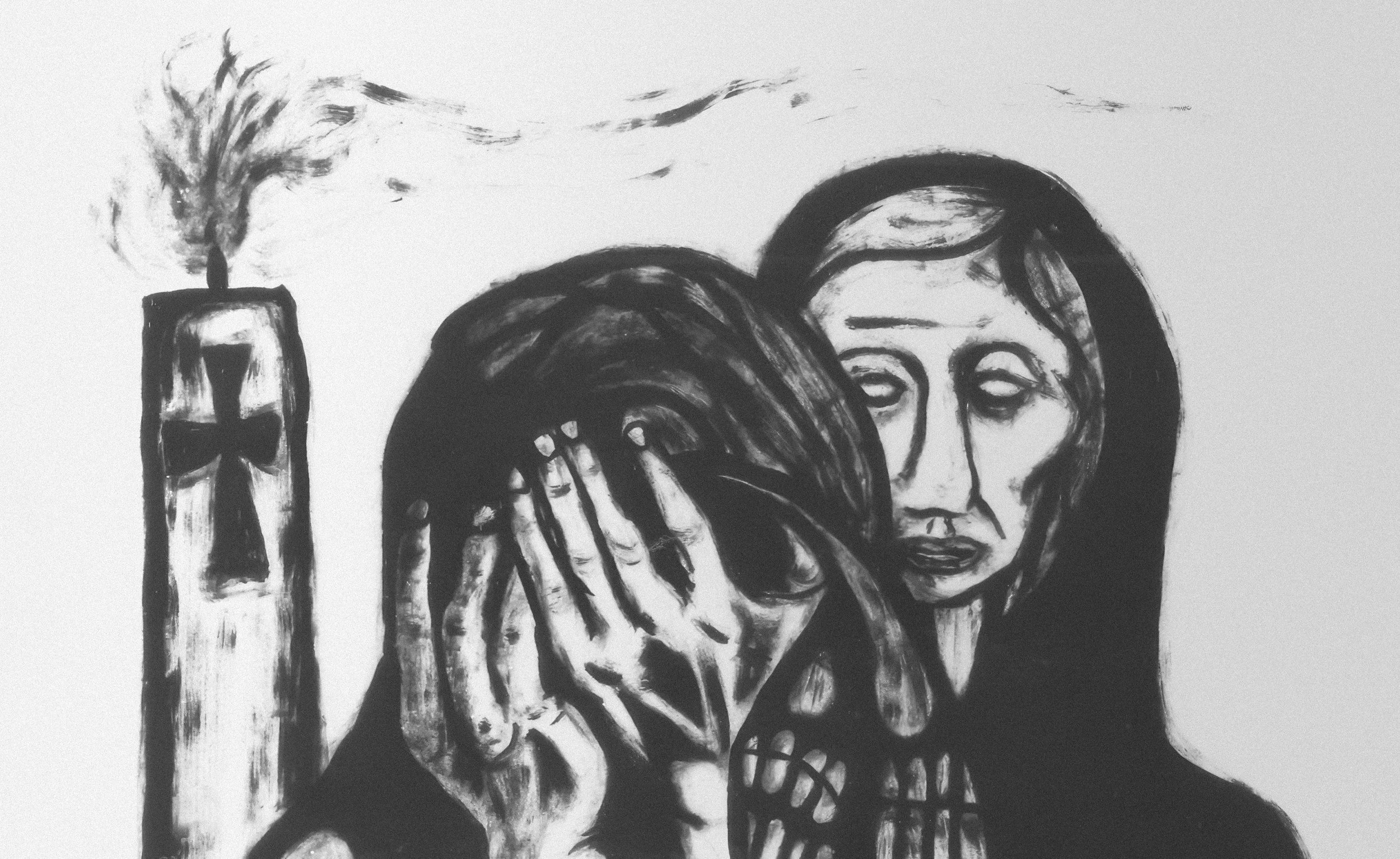
Art by Wiki Sinaloa on Unsplash.
Jaiye was pregnant, but nobody knew. Her trick was dressing before dawn in one of her mother’s many oversized blouses, a scarf swathed about her little bump, so tight she writhed all day. But the pregnancy had survived more terrible abortive intents than day-long strangulations. Twice in the first trimester, she thrust the hook of a flattened iron hanger inside herself, prodding, seeking to pluck the fruit before it gets any riper. Each trial left her bleeding for many days. Then there were attempts with mixtures of lime juice and 7Up too, done in flushes, as if the foetus was a stain and her womb a linen. But it all came to naught.
Nobody knew Jaiye was pregnant, not even her people. Her people were just her mother, Lara Elepo, and her boyfriend, Sergeant Ahmed.
Lara traveled thirteen months ago, and neither did she reach the said destination nor return home. It seemed as if the highway swallowed her whole. And while the highway was wholly adept at consuming lives, there were also rumors that Lara’s disappearance wasn’t a case of a motor accident or one of the countless kidnapping occurrences, but that Lara ran away elsewhere, moulted off her single parenthood, the beautiful young identity that she had, leaving her fifteen-year-old daughter by herself.
Jaiye paid no attention to such rumors. She continued to manage her mother’s wares—hawking when due, restocking when due—as if Lara would one day walk in and demand an audit. She met Ahmed during this time. Ahmed, the soldier who tried to rape her the first time she hawked her wares to their base. When the attempt failed because she resisted, he blamed alcohol and apologized, and made sure she sold all her wares in the army base that evening. Jaiye thought it better to trade like that— to risk molestation in exchange for sell-outs—so she didn’t stop going there. The next time he tried to move beyond fondling her breasts to removing her panties, she bit him hard, and he slapped her hard and seized her wares. Not even one of the other soldiers that often bought from her tried to interfere. After hours of crying and protesting, Jaiye went back inside his room with her swollen eyes, apologized for the wares, for biting him, and removed her panties herself. This grew into some kind of relationship. Ahmed protected her and made sure she didn’t hawk as much as before. But it was only a week after Ahmed had promised to get her a stall in Mammy Market that he got transferred to Yobe State. He, too, like Lara, had been swallowed whole by the expressway.
Not even Jaiye’s people knew she was pregnant, but a woman suspected. She was one of the women who sold at the stops on the expressway where Jaiye frequented after Ahmed left. His sudden departure exposed the crumbling state of her mother’s business. She had always been prudent enough, but without Ahmed, the profit margin was little and unsustainable. After Ahmed left, she resorted to selling cold water by the expressway stops. Her mother’s fridge still functioned, and the cold-water business required little capital. She met the woman there one afternoon, selling her roasted plantains to passengers on coastal buses slowing down by the road bumps. She, too, was waiting for the influx of buses carrying thirsty passengers. But the woman wouldn’t stop looking at her. Jaiye knew she could never allow her to ask the heavy questions. She left that afternoon and never returned to that spot again.
Jaiye gave birth, and yet nobody would know. It rained cats and dogs that night. The drumming roof sheets gave her a background space to scream out her labour anguish without detection. When the baby came out, it didn’t make a sound. But a thunderclap came, and it burst right into tears. Jaiye held him to her breast, cleaned him up, and tucked him gently into a black polythene bag. She went out and returned empty-handed, drenched in rain, with tears, and dripping colostrum.